
What Makes a Breed Good for First-Time Owners?
When I worked at the vet clinic in Portland, I saw plenty of overwhelmed first-time owners. Not every breed is a good match when you're just starting out. The best beginner dogs share a few key traits. They're forgiving of training mistakes. They adapt to different living situations and actually want to bond with you. (A dog that ignores you makes training tough). They aren't overly independent, excessively high-energy, or prone to serious behavioral challenges.
Here's the thing: every individual dog is different. Breed tendencies are averages, not guarantees. The best dog for you depends entirely on your lifestyle. Your living situation, activity level, and free time matter more than looks.
1. Golden Retriever
Size: 55-75 pounds | Energy: Moderate to high | Lifespan: 10-12 years
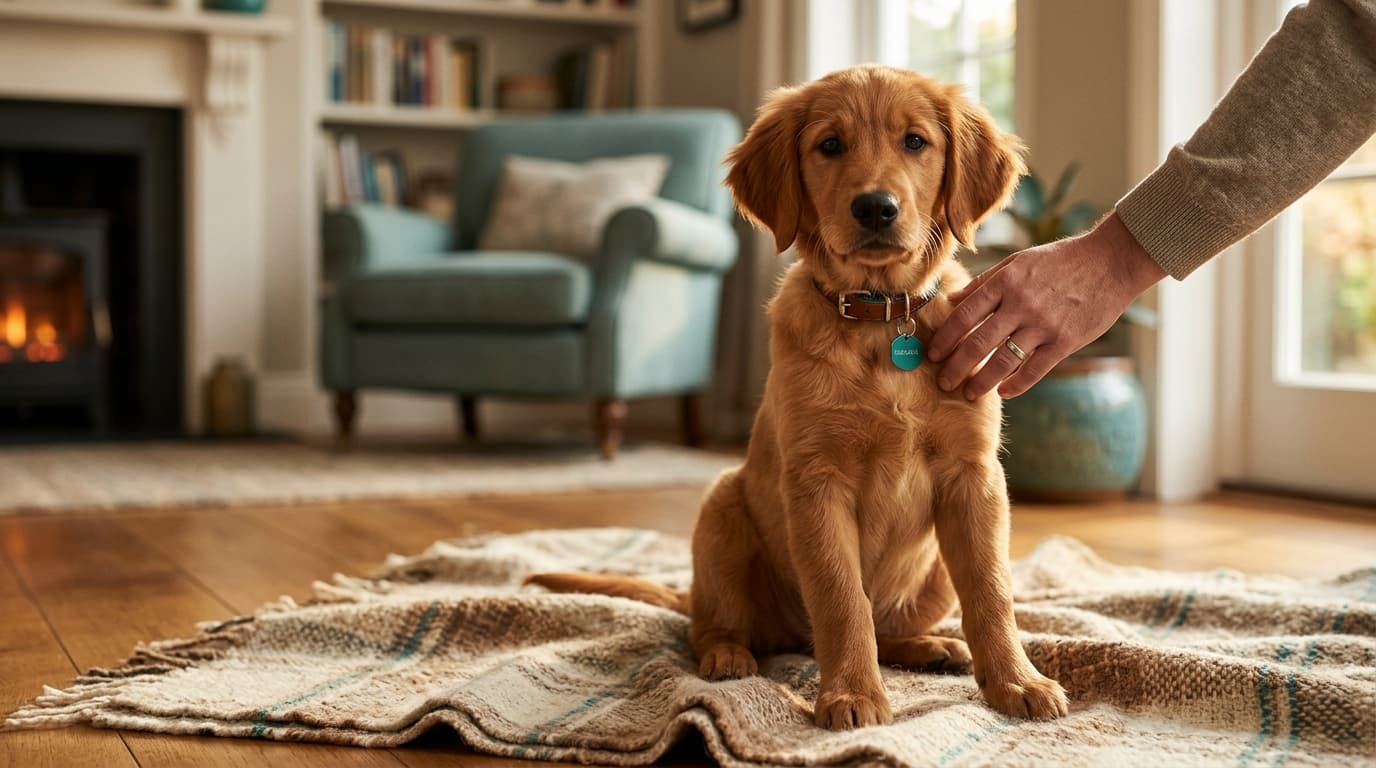
The Golden Retriever is the quintessential family dog for a reason. They're patient and eager to please. They're remarkably tolerant of the clumsy handling that comes with being a new owner. Goldens respond enthusiastically to positive reinforcement training. They rarely hold a grudge.
Considerations: They shed heavily (you'll need a heavy-duty vacuum), require daily exercise, and are prone to certain cancers. Regular vet checkups are essential.
Best for: Active families, homes with children, owners who want a dog that genuinely wants to make them happy.
2. Labrador Retriever
Size: 55-80 pounds | Energy: High | Lifespan: 10-14 years
There's a reason Labs topped the popularity charts for decades. They're friendly with everyone and highly trainable. They adapt well to most living situations, provided they get enough exercise. They're heavily food-motivated. That makes basic obedience training highly productive.
Considerations: The honest downside is their exercise requirement. Labs need at least an hour a day. Without it, they'll channel that energy into destroying your house. They also have a prolonged puppyhood. Expect puppy-like energy until age two or three. (My lab mix, Benny, didn't fully settle down until he hit four).
Best for: Active owners, families who enjoy outdoor activities, anyone who wants a social, outgoing companion.
3. Cavalier King Charles Spaniel
Size: 13-18 pounds | Energy: Low to moderate | Lifespan: 9-14 years
The Cavalier is a solid choice if you want a smaller, calmer dog. They're affectionate to the point of being "velcro dogs." They adapt easily to both apartments and houses. They get along with other pets and are gentle with kids.
Considerations: Health is the big catch here. When I worked at the clinic, I saw a lot of Cavaliers with mitral valve disease (a heart condition) and syringomyelia (a neurological issue). Buy from a breeder who rigorously tests for these. Or better yet, look for a Cavalier rescue.
Best for: Apartment dwellers, retirees, families with young children, anyone who wants a lap dog that still enjoys walks.
4. Poodle (Standard, Miniature, or Toy)
Size: 4-70 pounds (depending on variety) | Energy: Moderate to high | Lifespan: 10-18 years
Poodles are wicked smart. That makes them highly trainable, but it also means they need serious mental enrichment. Their non-shedding coat is a huge advantage for allergy sufferers.
Considerations: That coat requires professional grooming every four to six weeks. Grooming costs add up quickly. Expect to pay $50 to $90 per session. I'd skip this if you work long hours. They often develop separation anxiety when left alone.
Best for: Allergy sufferers, owners who enjoy training and mental games, anyone looking for a breed that comes in multiple sizes.
5. Beagle
Size: 20-30 pounds | Energy: Moderate to high | Lifespan: 10-15 years
Beagles are sturdy, cheerful, and endlessly curious. They're pack-oriented dogs. They generally get along great with other dogs and kids. Their compact size makes them manageable, and their sturdy build holds up to roughhousing. Their intense food motivation makes basic obedience straightforward.
Considerations: They're scent hounds. They'll follow their nose into trouble the second they catch a scent. A fenced yard is highly recommended. They're also vocal. That distinctive Beagle howl is charming to some and unbearable to others. Don't get a Beagle if you share thin walls with neighbors.
Best for: Families with other dogs, owners with fenced yards, people who enjoy an independent but affectionate companion.
6. Bichon Frise
Size: 12-18 pounds | Energy: Moderate | Lifespan: 14-15 years
The Bichon Frise is a cheerful, hypoallergenic breed. They thrive on human companionship. They're playful without being hyperactive. They're sturdy enough for kids and small enough for apartments. Their white, cotton-ball coat is charming but requires regular grooming.
Considerations: Housebreaking can be a nightmare. You'll need strict crate training and immense patience in those first few months. (Small bladders mean frequent trips outside). They also don't tolerate being left alone for long stretches.
Best for: Apartment dwellers, allergy sufferers, retirees, families looking for a small dog with a big personality.
7. Papillon
Size: 5-10 pounds | Energy: Moderate to high | Lifespan: 14-16 years
Don't let the delicate look fool you. This is one of the smartest and most trainable toy breeds out there. They excel at obedience, agility, and trick training. They're surprisingly athletic and enjoy long walks.
Considerations: Their tiny size makes them fragile. I wouldn't recommend them around young kids who play rough. They can also become excessively barky if you don't train them early. The coat requires brushing, but unlike the Poodle, it doesn't need professional cuts.
Best for: Owners who want a small dog with big-dog energy, apartment dwellers, people interested in dog sports.
8. Boxer
Size: 50-80 pounds | Energy: High | Lifespan: 10-12 years
Boxers are the class clowns of the dog world. They're goofy, affectionate, and endlessly entertaining. They bond deeply with their families. They're naturally protective without leaning into aggression. Their short coat needs almost zero maintenance, and they respond beautifully to positive training methods.
Considerations: Boxers have massive energy reserves and need substantial daily exercise. They're also brachycephalic (short-nosed). At the clinic, I treated my fair share of Boxers for heat exhaustion. Never exercise them vigorously in hot weather. They're also prone to certain cancers and heart conditions.
Best for: Active families, owners who want a larger dog with a playful personality, homes with older children.
9. Shih Tzu
Size: 9-16 pounds | Energy: Low to moderate | Lifespan: 10-18 years
Bred as companion dogs for Chinese royalty, Shih Tzus are perfectly happy holding down your couch. They're friendly with strangers. They get along with other pets. They only need a moderate daily walk.
Considerations: The grooming is a massive commitment. Most owners I know opt for a "puppy cut" just to keep their sanity. They can be incredibly stubborn about housebreaking. Like Boxers, their flat faces make them highly sensitive to heat.
Best for: Apartment dwellers, retirees, anyone looking for a low-energy companion who prefers relaxing over running.
10. Greyhound (Retired Racer)
Size: 60-70 pounds | Energy: Low to moderate | Lifespan: 10-13 years
This one always surprises people. Greyhounds are basically 45-mph couch potatoes. Retired racers are calm, gentle, and shockingly lazy for their size. They enjoy a daily walk and an occasional sprint. Then they sleep for 18 hours.
Considerations: Greyhounds have paper-thin skin. It tears easily. They're sensitive to cold and absolutely need a winter coat. Because of their prey drive, they should never be off-leash in an unfenced area. What sealed it for me with this breed is how quiet they are in apartments, but you have to be cautious introducing them to cats.
Best for: Apartment dwellers who want a large dog, owners who prefer quiet companions, anyone interested in adopting a retired racer.
A Note on Adoption
Once you've chosen your breed, our New Puppy Starter Kit has everything you need for those first critical weeks.
While this list focuses on purebreds, millions of mixed-breed dogs are waiting in shelters. I volunteer monthly at the Multnomah County Animal Shelter, and I see phenomenal beginner-friendly mixes every week. They share the best traits of the breeds listed above: friendliness, adaptability, and eagerness to bond. If you're open to a mix, just tell the shelter staff about your lifestyle. Let them play matchmaker.
Before You Decide
Regardless of breed, ask yourself a few hard questions:
- How much exercise can I provide daily? Be honest. Don't be aspirational.
- How many hours will the dog be alone? Most dogs need your company for the majority of the day.
- What is my living situation? Size restrictions, noise sensitivity, and yard access matter.
- What is my budget? Factor in food, vet care, grooming, training, and emergencies. (I keep a massive spreadsheet of over 600 dog products I've tested, and trust me, the gear adds up quickly).
- Am I ready for a 10 to 15 year commitment? A dog isn't a trial run. (I adopted my Aussie, Maple, knowing she'd be destroying toys well into the 2030s).
Try our free tool: Breed Finder Quiz -- answer a few lifestyle questions to find your ideal breed from 112 options.
The Bottom Line
Already decided on a Golden Retriever? See our best dog food for Golden Retrievers to get nutrition right from day one.
The best breed for a first-time owner is one that matches your actual lifestyle, not the lifestyle you wish you had. Be honest about your activity level, schedule, and living situation. You'll find a breed (or a mixed breed) that makes the transition into dog ownership entirely worth it.
Related Reading
- How to Choose the Right Dog Breed -- Deep dive into lifestyle matching
- New Puppy First Year Guide -- Month-by-month roadmap
- How to Socialize Your Puppy -- The critical first 16 weeks